
Interviews are supposed to be about the candidate, right?
Yet, despite all the buzz around candidate experience, applicants are often left wondering where they stand in the interview process.
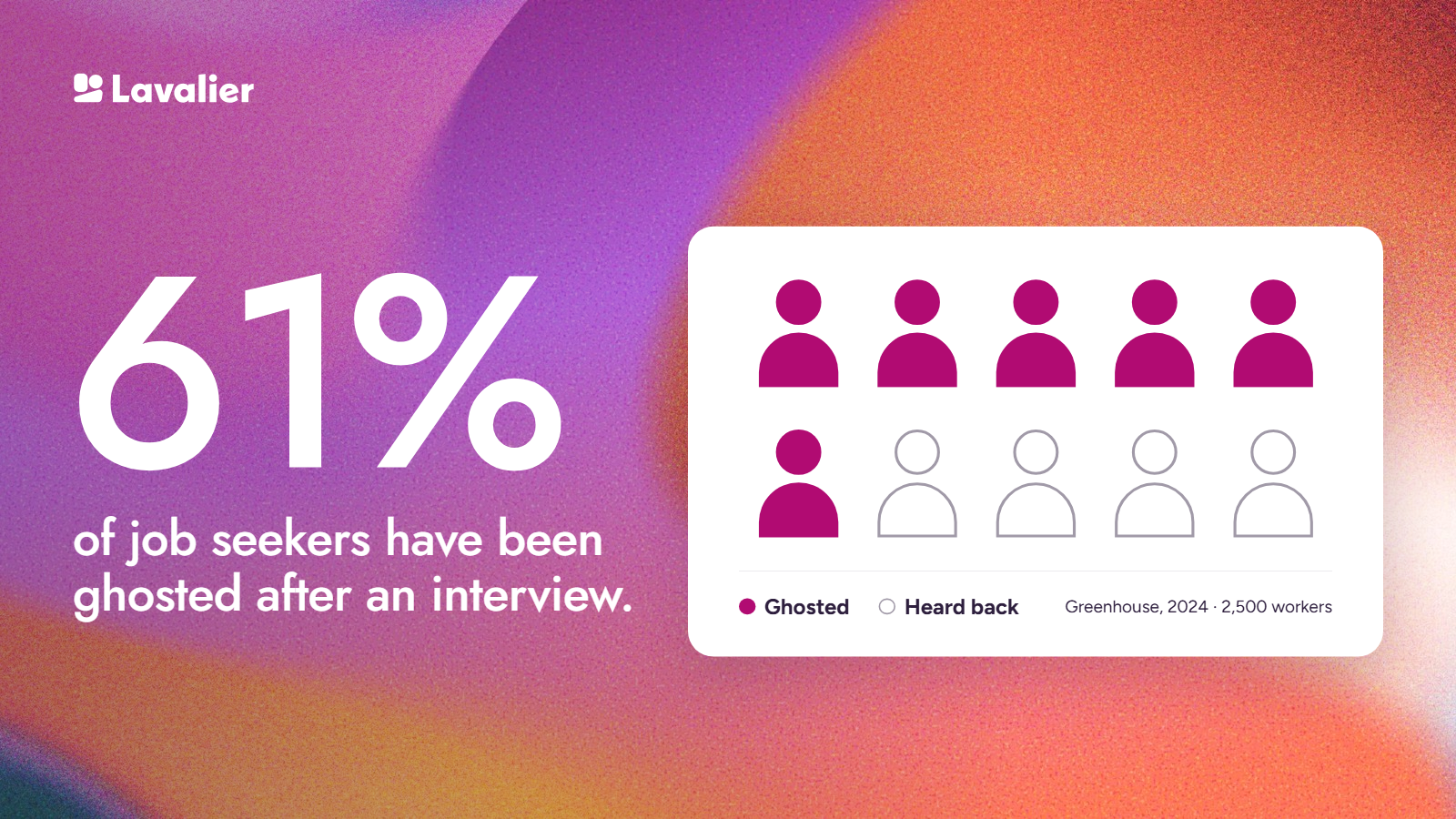
In a report covering 240,000 candidates across 150 organizations, 36 percent said they were left hanging in the dark months after applying. Poor communication and limited feedback were among the leading reasons candidates withdrew themselves from the recruiting process.
A better candidate experience rarely requires another elaborate program. All it asks for is a hiring process that sets clear expectations and follows through on its promises.
That’s what senior recruiter Emily Paik discusses with our CEO, Colleen Gallagher on the Recruiters on the Rise podcast.
Paik, who leads recruiting at Kit and runs the Talent Talk newsletter, talks about the small things hiring teams often overlook, like sending an update even when there is no update or telling candidates what to expect before an interview.
These are little things by themselves. But together, they helped Kit achieve 100 percent positive candidate feedback in 2025. Here they are based on the conversation.
A better candidate experience benefits both sides of the hiring process.
Across 86 independent samples, candidates who viewed the selection process positively were more likely to see the organization favorably, accept an offer, and recommend the employer to others. At the same time, clearer roles and more purposeful interviews help hiring teams collect stronger, more comparable evidence.
Below are seven practical ways, Emily suggests, that help build a candidate experience that is fairer and easier to trust.
When Emily joined Kit, she did not start at the ATS or the interview process. Before everything, she learned the business.
“The best impact you can have as a recruiter is understanding the product, understanding the customers, and then finding the right people to fill the gaps.”
That knowledge helped her decide which roles mattered most for the business and explain why each hire was needed. She put it into practice in three ways:
Knowing your product like the back of your hand comes with massive benefits. You immediately know which roles to prioritize, and you develop a razor-sharp sense of what an ideal candidate looks like.
Bringing a hiring manager a highly curated list of the absolute best people forces a faster decision. You are no longer just inviting anyone to an interview and hoping for the best.
This upfront grit naturally elevates the entire candidate experience. Applicants get crystal clear answers about why the role exists, managers make decisions with total confidence, because you completely stop wasting people's time.
Gallagher asked Paik what separates the strongest recruiters from everyone else.
This was her simple answer.
“Follow through with candidates.”
Even a thoughtful recruiter can lose track while managing several open roles and large applicant volumes.
To fix this, Paik uses ATS automations and AI-assisted reminders to identify candidates who have been waiting for a reply.
She still edits messages and adds her own voice, but the system helps her remember who needs an update.
This is a sensible division of labor; your software can track elapsed time and trigger a prompt, while you, the recruiter, remain responsible for judgment and tone.
A simple communication standard might look like this:
The candidate leaves with a clear outcome and a more accurate impression of the process.
You do not need a major update every time you contact someone. “No update yet” is still useful when it comes with honesty and a new date.
Even if communication does not guarantee that candidates will like your decision, it helps them trust how you reached it.
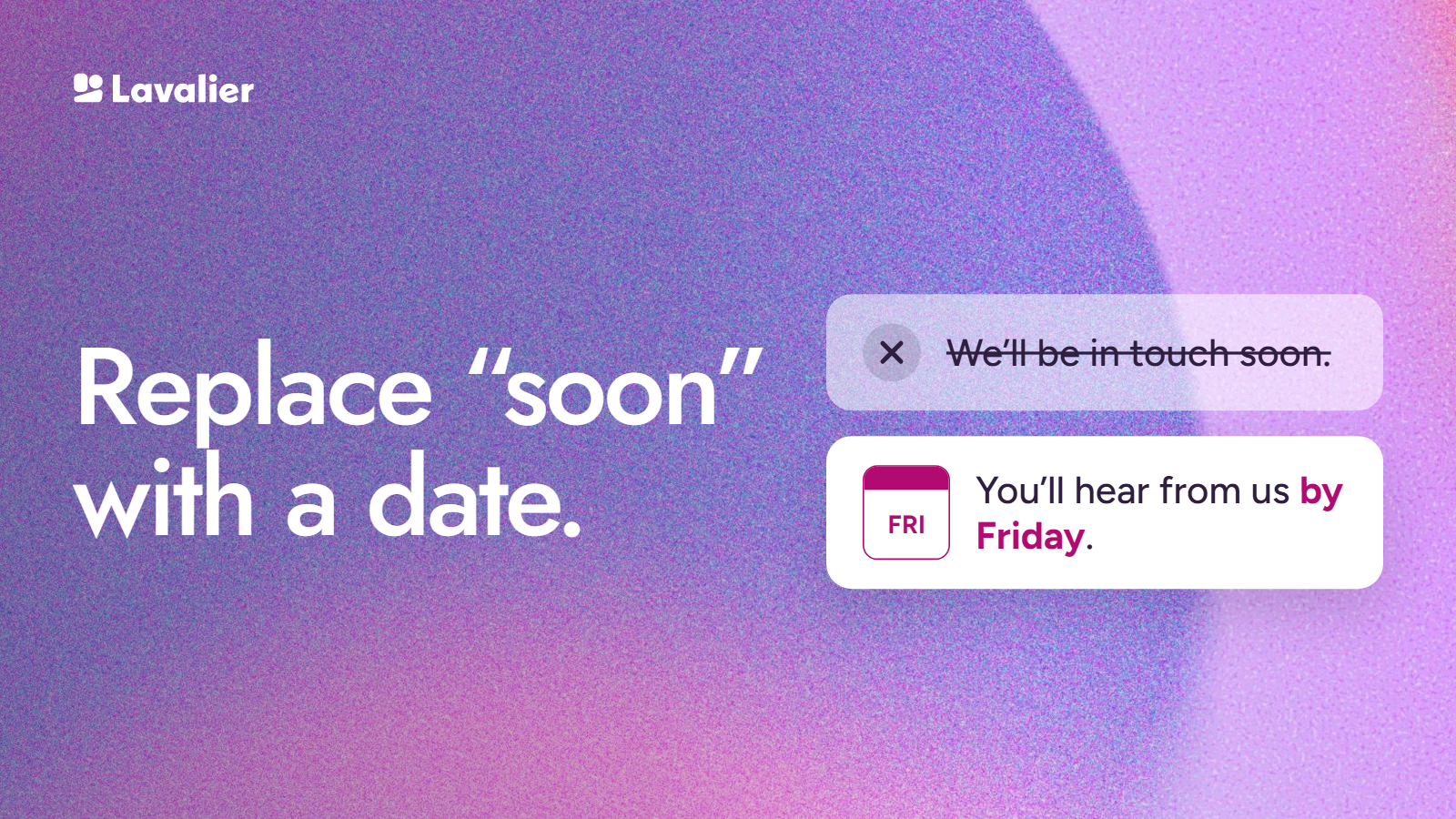
“We’ll be in touch soon” is one of the most common promises in recruiting. And we all hate it.
Recruiters often stay quiet because they have nothing conclusive to report. From the candidate’s side, however, that silence contains plenty of possible conclusions:
Because the trouble with “soon” is that it can mean almost anything: tomorrow, next week, even sometime next month.
That’s why a useful update (one that actually satisfies candidates) includes a date/time:
We expect to finish this round by Thursday. I will contact you by Friday afternoon, even if the final decision is still pending.
Paik remembers that she once completed an eight-stage process over five or six weeks. The process was long, but it did not feel careless because the recruiter explained what was happening and checked in at regular intervals.
The lesson is that predictability can reduce the frustration caused by unavoidable delay. You can turn that habit into a team rule:
Every interviewed candidate receives either a decision or a progress update within three business days.
Giving candidates interview questions in advance makes some hiring teams shiver.
Paik thinks that concern focuses on the wrong ability.
“We’re not trying to test someone’s ability to think on the spot. We want to understand how they think and what they’ve done.”
That’s why Kit sends candidates the questions before the interview. The practice impressed Paik when she went through Kit’s own hiring process, and she now sees it as an extension of how the company works.
Employees almost never tackle consequential projects with no information and a stopwatch running beside them. They read the brief, talk to colleagues, and then organize their thoughts.
So why design an interview around the opposite conditions?
Unless instant improvisation is essential to the job, a surprise-heavy interview may tell you more about someone’s nerves or familiarity with interviewing than their ability to perform.
And, you also do not have to share every question word for word. Depending on the role, you might send just the competencies being assessed or a few core questions candidates should prepare to answer.
The same principle applies to assessments. Tell candidates what they will complete, how long it should take, what resources they may use, and how you will evaluate the work.
This lets you assess the best a candidate can bring to the table versus their ability to come up with the most coherent answer on the spot.
Preparing candidates for your questions is only half the job. They also need enough information to decide whether they want the role.
Kit does not wait until the first call to explain the company. Before a candidate speaks with anyone, Paik sends a five-minute Loom video covering Kit’s history, founder, values, and approach to remote work.
Candidates who prefer reading receive a written version.
This gives you a better starting point. The recruiter does not spend the first ten minutes reciting the About page, and the candidate can ask specific, useful questions.
The idea is to create a reusable candidate resource that explains:
This becomes especially important for remote companies. Candidates cannot meet people over coffee or absorb the atmosphere between interviews. Without help from you, they have to reconstruct the company from LinkedIn posts, old Glassdoor reviews, and whatever Google ranks highest that morning.
Kit also shares employee stories throughout the process. These pieces explain how people joined and what their experience has been like. That lets candidates hear about the company from someone other than the recruiter.
Paik’s broader rule is worth borrowing:
“At every stage, you should be educating candidates about the company, the product, the culture, and what it’s like to work there.”
However, give candidates the information only when it becomes relevant. Share the company overview before the recruiter screen. Explain the team’s priorities before the hiring-manager conversation.
You’ll soon notice that better-informed candidates ask sharper questions. They also make better-informed decisions when an offer arrives.
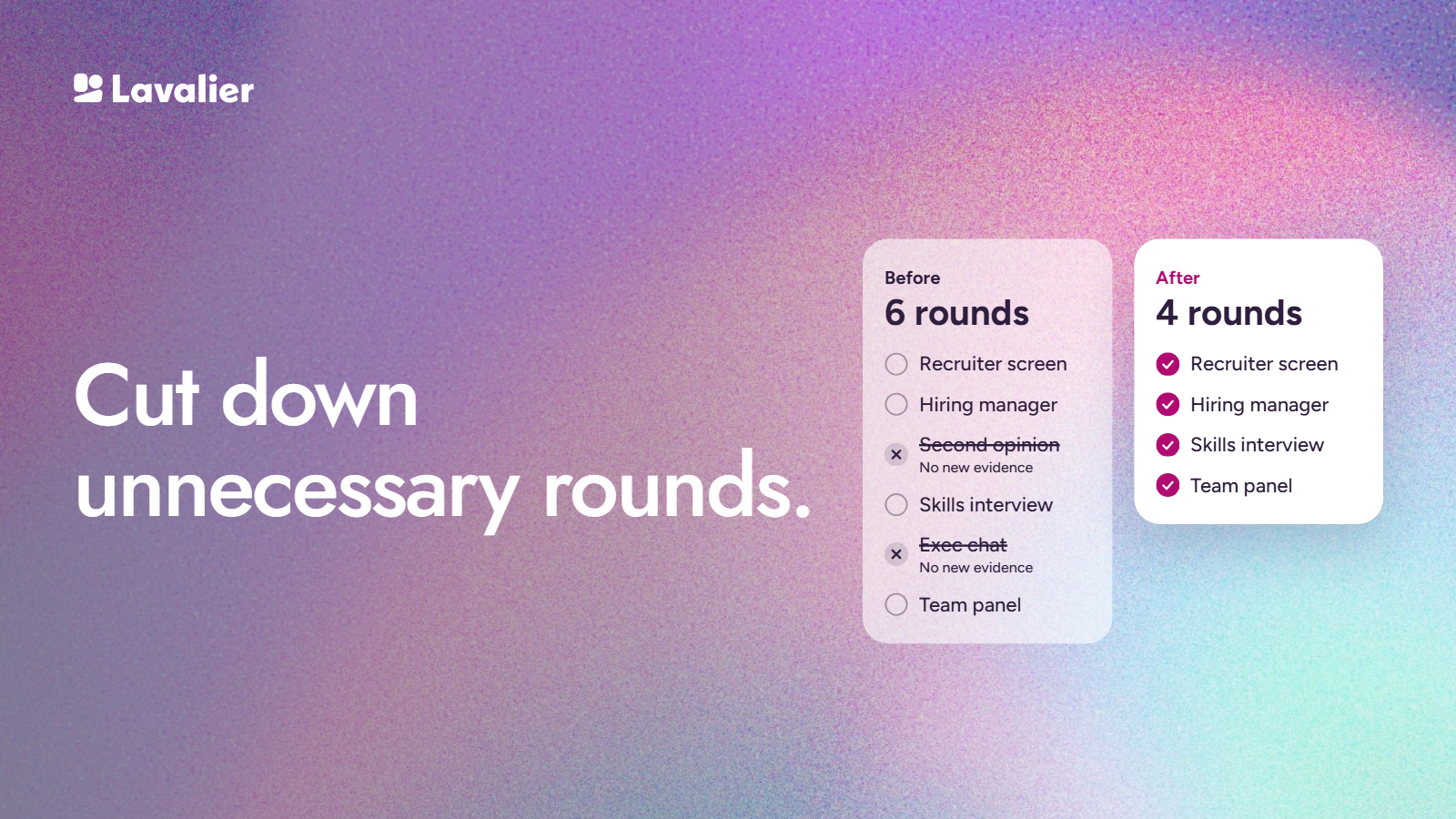
Hiring processes don’t become bloated on purpose.
Perhaps someone wants a second opinion, or maybe an executive asks for a quick chat. Next thing you know, the candidate is on round six.
Paik’s advice is blunt:
“Just simplify it.”
That does not mean racing candidates through two conversations. It means asking each stage to justify its place.
For every interview, write down:
When two interviews test the same capability, combine them or assign narrower areas of focus.
Some roles really need several interviews. That is fine. Complexity can be useful. Repetition is not.
It is easy to treat candidates well while you still need something from them. Rejection shows what happens when you no longer do.
A company may run thoughtful interviews, answer questions quickly, basically do everything right. Then it ends the relationship abruptly, without a nice goodbye. That’s a problem!
At a previous company, Paik rejected a candidate who replied, “I’m never using your product again. This was the worst hiring experience I’ve had.”
She did not dismiss the reaction as sour grapes.
“Point taken,” she said. “I took responsibility for that.”
Remember that a candidate may also be a customer, user, referrer, reviewer, or future applicant. Their experience with recruiting can alter how they see the rest of your company.
The rejection, then, deserves the same care as the rest of the process. This OneTrust example recognizes the candidate’s effort and ends the conversation without sounding cold.
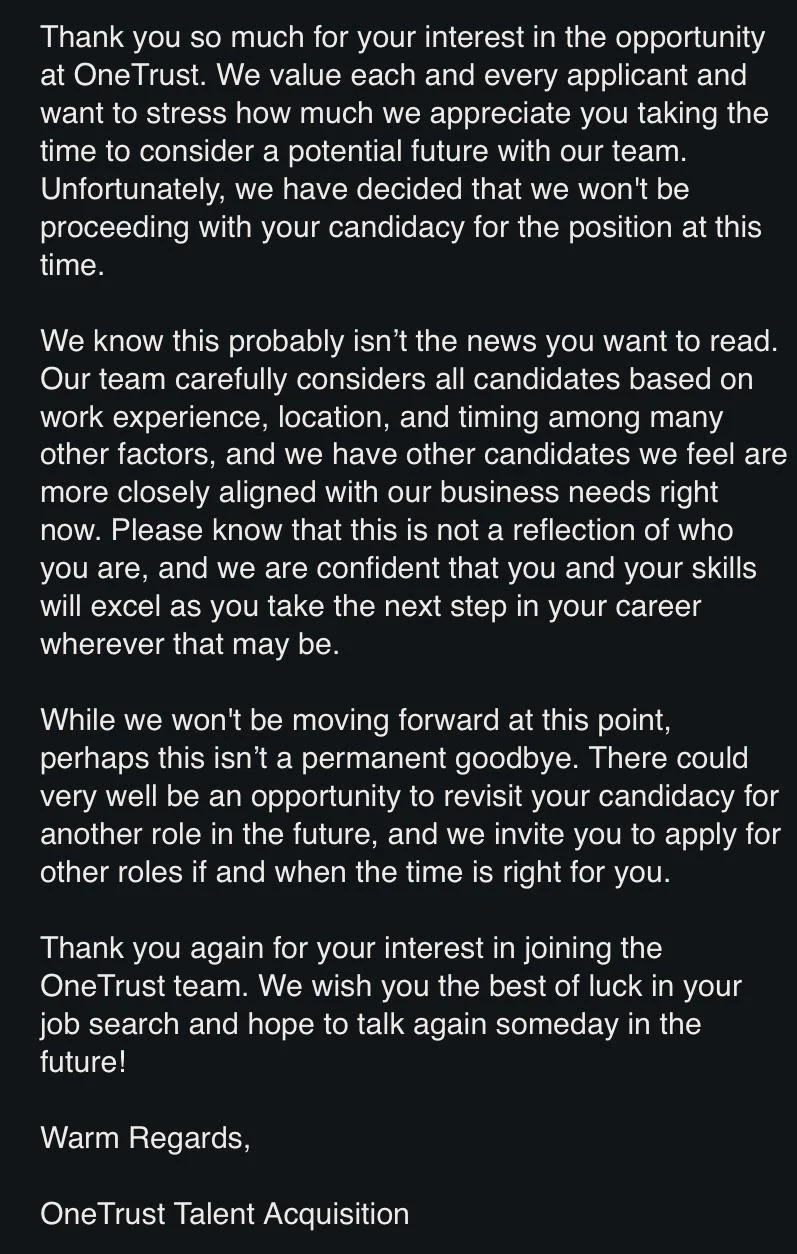
If you’re gonna let someone down, do it gracefully (Via r/recruitinghell)
Rejection also shapes your employer brand (your reputation as a place to work). As Paik says, it is “a reflection of the candidate experience.”
Kit puts that idea into practice by sharing a list of partner companies’ career pages with rejected candidates, which gives rejected candidates a useful next step.
You may not have a partner network that lends itself to the same approach. You can still match the response to the candidate’s effort:
Avoid cushioning the rejection with praise you cannot support.
A good candidate experience feels simple because the hiring team has already addressed the cluttered, chaotic parts.
That way, everyone knows what each interview should uncover, and candidates hear back when promised. No one has to repeat the same story in three different rounds.
Structured interview tools can help teams maintain that consistency as hiring scales. For a more optimized hiring process, Lavalier helps you make data-based hiring decisions in every role.
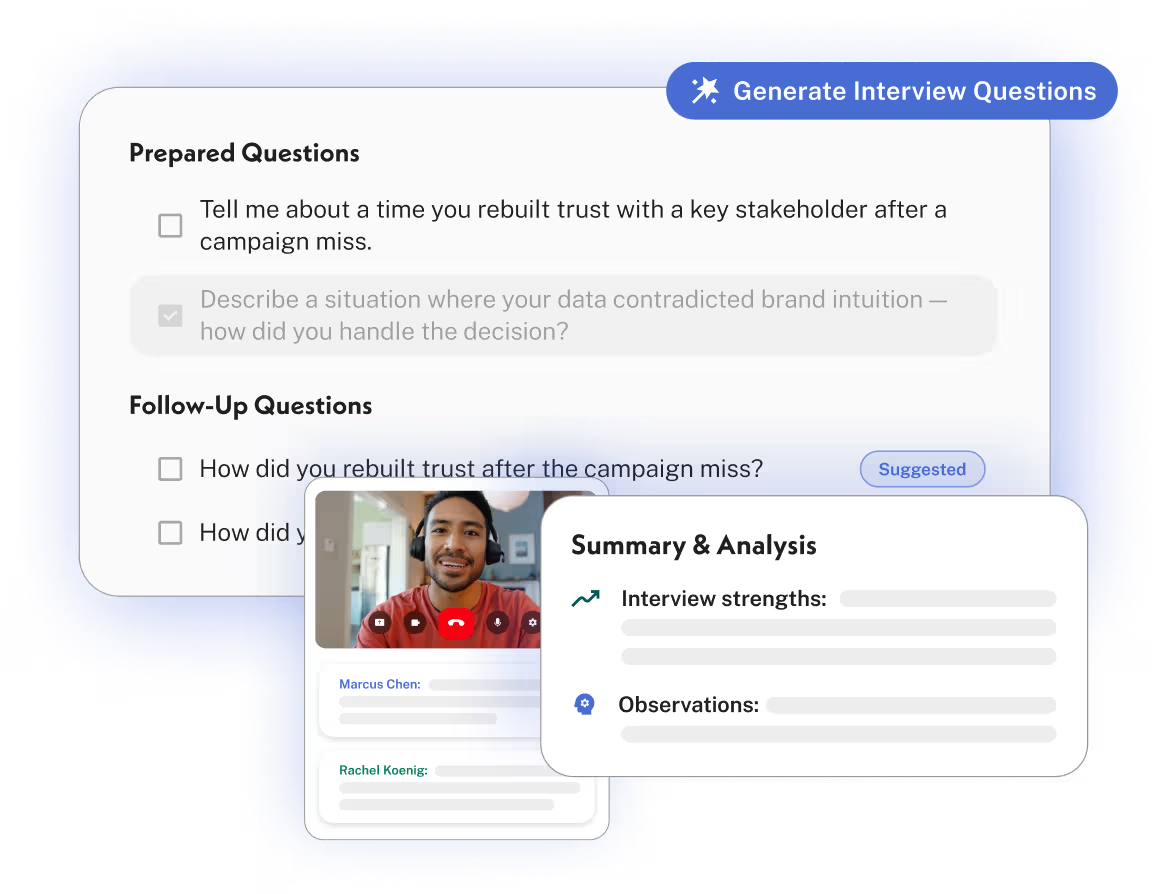
Lavalier can generate structured interview plans and assignments, as well as questions for each conversation. You can create plans from intake in an instant and visually compare each candidate’s skills and experience against the defined competencies.
Candidates get better-prepared interviewers and a process that feels connected from beginning to end.
Better candidate experience comes from removing frustrations and making every stage worth the time it asks of people.
See how Lavalier can bring more structure and efficiency to your interviews.